Latest News
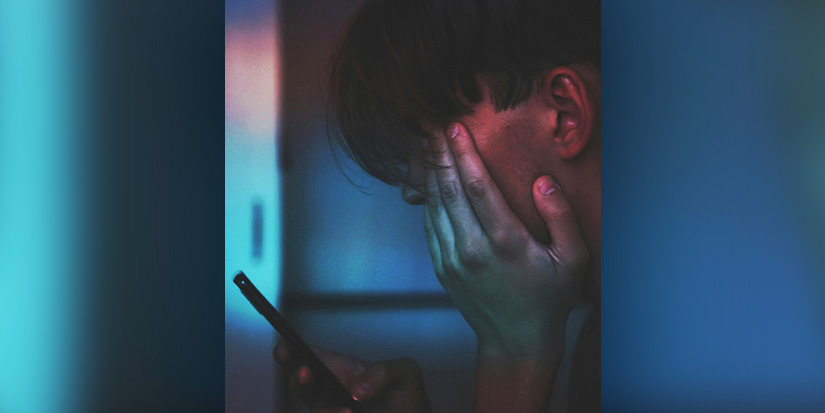
Photo courtesy Adrian Swancar
The Youth Know Scrolling Is Bad for Them. They Can't Stop Anyway. Here's Why That Should Worry Everyone.

Published 4:09 PDT, Wed August 26, 2026


-
Most teenagers already know that six hours of scrolling a night isn't good for them. This isn't a generation acting out of ignorance. The habit persists anyway, and the gap between knowing and doing is the scariest part, more than any assumption that teens simply don't understand the risks.
The scale of the habit is not small. Research has found that 96 percent of teens report using the internet daily, with almost half saying they're online "almost constantly." Gallup survey data puts the average teen at roughly 4.8 hours a day on social media alone, with girls averaging around 5.3 hours and boys around 4.4. Broader estimates of total daily screen media use among U.S. teens run even higher: Common Sense Media's youth reports put their estimates at roughly 8 to 9 hours a day, with phones being the primary device.
It Doesn't Feel Like a Choice Anymore
Adults sometimes describe phone use as a matter of willpower, a choice to pick entertainment over homework or sleep. That framing misses how the habit operates, and the social necessity of sharing content with your friends. Opening a short-form app like Instagram Reels or TikTok rarely feels like a decision; it functions more like a reflex, one video ending and three more already underway before any real intention forms.
That's by design. Short-form platforms are built by teams whose job is to make stopping harder than continuing. Infinite scroll, autoplay, and a mix of dull and thrilling clips are all tools algorithms use to keep your thumb travelling. Data backs up how effective this design is: content creators using a "hook in the first three seconds" strategy report a 58% increase in average video watch time, and short-form ads have become 72 percent more effective at driving engagement than longer formats. This is not a generation lacking self-control; it's a generation of developing brains getting obliterated by systems built by adults specifically to abuse children’s self-control.
The Doomscrolling Part Is Worse Than It Sounds
Doomscrolling (the habit of endlessly scrolling) isn't simply "watching too many videos." It's a barrage of bad news, conflict, and outrage, making the viewer feel worse and more engaged. Nobody actively seeks out something upsetting, but the algorithm mixes it in with everything else, so a clip about a mass shooting sits beside a dance trend, which sits beside war footage, which sits beside someone's lunch.
The result is a constant, disjointed stream of the world's worst moments, stripped of the context or processing time needed to fact-check or verify information that once came from scrutinizing a news broadcast. Crisis after crisis arrives in 7-second bursts with no room to process any of it. The result is anxiety and numbness, offering little valuable information but plenty of emotional stimulation.
What the Research Shows:
Attention is shrinking.
Users who consume short-form content under 30 seconds show a 27% reduction in sustained attention pursuing their goals, and regular exposure to this kind of content reduces the ability to focus on a task for more than 9 minutes. One 2025 study found that exposure to short-form video before studying reduced students' attention span during reading by 31%, and that short-form consumers were 2.5x more likely to abandon long-form educational content midway. A sense of restless dissatisfaction that follows high dopamine scrolling is seen in 61% of users aged 18 to 34.
Sleep is one of the first casualties.
A 2025 CDC analysis found that 59.9% of teens with 4+ hours of daily screen time reported being infrequently well rested, compared to 40.1% of lighter users.
Screen time climbed sharply and hasn't fully reversed.
A JAMA Pediatrics review covering roughly 29,000 children and adolescents found an average increase of 84 minutes of daily screen time during the pandemic, with the steepest rises among 12- to 18-year-olds.
Short-form content is the fastest-growing category.
Industry tracking shows TikTok's per-user daily time has held above 55 minutes since 2022, and projections for 2026 have TikTok taking the most time from teens of any platform, at about 1 hour and 18 minutes per day.
Why This Should Concern More Than the Teens Involved
It’s easy to blame “kids these days”. But the underlying issue isn't about technology. It's about what happens when a generation's emotional foundation is built on outrage, comparison, and broken attention, forming malicious habits carried into adulthood.
The teenagers caught in doomscrolling spirals tonight will be the adults running institutions, workplaces, and households in the future. A generation that grows up unable to tolerate discomfort, unable to sustain focus past a few seconds, and chronically anxious about a world measured exclusively in 7-second fragments, is not an issue that stays contained in adolescence. It shapes the kind of citizens, employees, and parents that generation becomes.
What Would Actually Help
Lectures don’t work; most teens have heard them already and filter them out the same way they filter out a bad TikTok.
It’s better for adults to model something different by putting their own phones down and explaining why these platforms are built the way they are rather than just instructing children to use them less. Understanding that the fight is against a deliberately engineered system, not a personal failure of discipline, changes how we can resist it.
Teenagers didn't build the algorithm. They are, however, the ones growing up inside it. The most useful response isn't confiscating the phone; it's helping them understand what the phone is doing to them, and giving them a genuine reason to want something real.



























































































































































































2 Hours of free financial consulting
Jai Xin Planning Ltd.
C$120.00 C$0.00

Use any of our home staging service and get a second month rental for free!
MiiX Interiors
C$500.00 C$0.00

Get 10% off any order
Phantom Screens Lower Mainland
C$200.00 C$180.00